

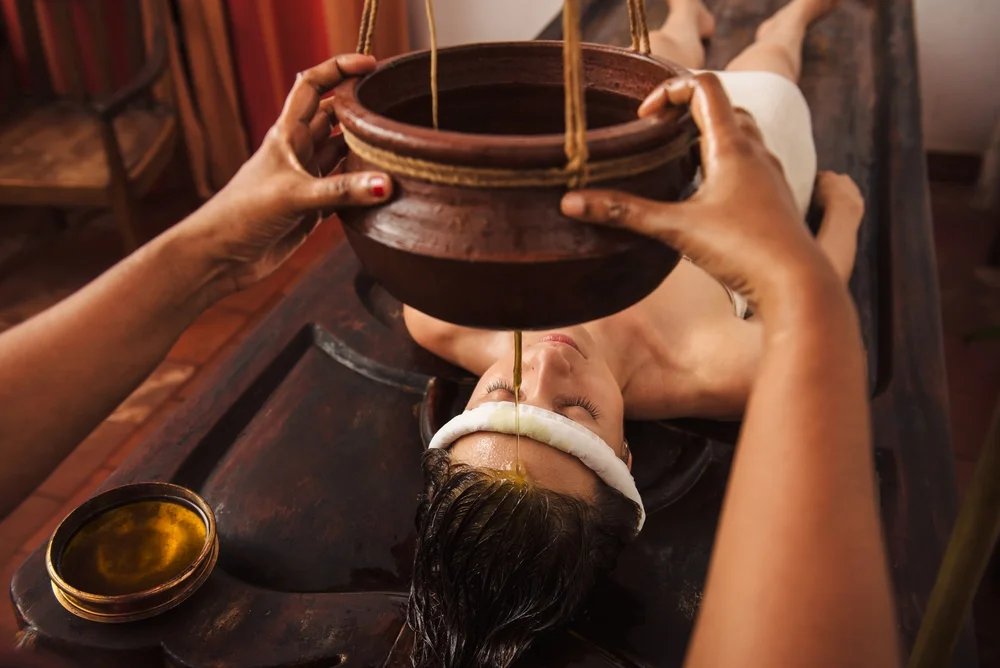
Panchakarma is one of the most powerful detoxification therapies in Ayurveda. The word Panchakarma literally translates to “five actions,” referring to five therapeutic procedures designed to cleanse the body of toxins, restore balance, and rejuvenate overall health. Unlike quick fixes, Panchakarma works at a deep cellular level to eliminate ama (toxins) accumulated from poor lifestyle, stress, and unhealthy food habits.
In this article, we will explore what the 5 actions of Panchakarma are, their benefits, and why they are considered a cornerstone of Ayurvedic healing.
What are the 5 Actions of Panchakarma?
The five main cleansing procedures of Panchakarma are:
1. Vamana (Therapeutic Emesis)
Vamana is a controlled therapeutic vomiting process. It helps to eliminate excess Kapha dosha (mucus and toxins) from the respiratory and digestive tract. This therapy is especially beneficial for people suffering from asthma, chronic cough, obesity, sinus problems, and skin disorders.
Benefits:
- Clears respiratory congestion
- Improves digestion and metabolism
- Balances Kapha dosha

2. Virechana (Purgation Therapy)
Virechana is the process of controlled purgation, designed to cleanse excess Pitta dosha (heat and toxins) from the liver, gallbladder, and intestines. It is performed using natural herbal laxatives under Ayurvedic supervision.
Benefits:
- Improves liver health
- Reduces acidity, skin rashes, and inflammation
- Balances Pitta dosha
3. Basti (Medicated Enema Therapy)
Basti is considered the most important of all Panchakarma therapies. It involves the introduction of medicated oils, ghee, or herbal decoctions into the rectum. Since the colon is the root of Vata dosha, Basti directly helps in balancing it.
Benefits:
- Relieves constipation and bloating
- Strengthens the nervous system
- Improves joint flexibility and mobility
- Balances Vata dosha
4. Nasya (Nasal Administration Therapy)
Nasya involves administering medicated oils or herbal extracts through the nasal passage. The nose is the gateway to the brain, and this therapy primarily targets ailments related to the head and neck region.
Benefits:
- Enhances memory and concentration
- Relieves sinus congestion and migraines
- Improves hair and skin health
- Balances Kapha and Vata dosha
5. Raktamokshana (Blood Purification Therapy)
Raktamokshana is the process of purifying blood by removing toxins. Traditionally, methods like leech therapy or controlled bloodletting were used. Today, it is often combined with modern detox methods under Ayurvedic guidance.
Benefits:
- Improves skin conditions like eczema and acne
- Detoxifies the blood
- Helps in chronic inflammatory disorders
Benefits of Panchakarma
- Deep detoxification of body and mind
- Restores balance of doshas (Vata, Pitta, Kapha)
- Boosts immunity and metabolism
- Reduces stress, anxiety, and fatigue
- Promotes longevity and overall vitality
FAQs About Panchakarma
Q1: How long does Panchakarma treatment take?
A full Panchakarma program usually lasts between 7 to 21 days, depending on individual health conditions.
Q2: Is Panchakarma safe for everyone?
Panchakarma should always be performed under the supervision of a qualified Ayurvedic doctor. Pregnant women, elderly people, or those with certain medical conditions may not be suitable for all therapies.
Q3: Can Panchakarma help with weight loss?
Yes, therapies like Vamana, Virechana, and Basti help in improving digestion, metabolism, and fat metabolism, which naturally supports weight management.
Q4: How often should Panchakarma be done?
It is recommended once or twice a year as preventive care or as per individual health requirements.
Q5: Does Panchakarma only focus on physical detox?
No, Panchakarma not only detoxifies the body but also rejuvenates the mind and emotions, bringing holistic wellness.