The Essence of Hatha Yoga for Beginners
Hatha yoga, an ancient practice originating in India, offers a holistic approach to achieving physical and mental well-being. It combines physical postures, breathing techniques, and meditation to create a harmonious balance between the body and mind. In this comprehensive guide, we’ll explore the fundamentals of Hatha yoga, its benefits for beginners, and how it can pave the way for a healthier and more serene life.
Understanding Hatha Yoga
Hatha yoga, often referred to as the “yoga of balance,” focuses on cultivating a strong connection between the body and the mind. Unlike more vigorous yoga styles, Hatha yoga emphasizes gentle asanas (postures) that promote flexibility, balance, and relaxation. By synchronizing breath with movement, practitioners create a sense of mindfulness and presence.
Benefits for Beginners
Hatha yoga serves as an ideal starting point for beginners, as it provides a solid foundation for other yoga practices. It aids in improving posture, enhancing muscle tone, and increasing flexibility. Additionally, the meditative aspects of Hatha yoga help reduce stress, anxiety, and promote mental clarity.
Embarking on Your Hatha Yoga Journey
Preparing for Practice
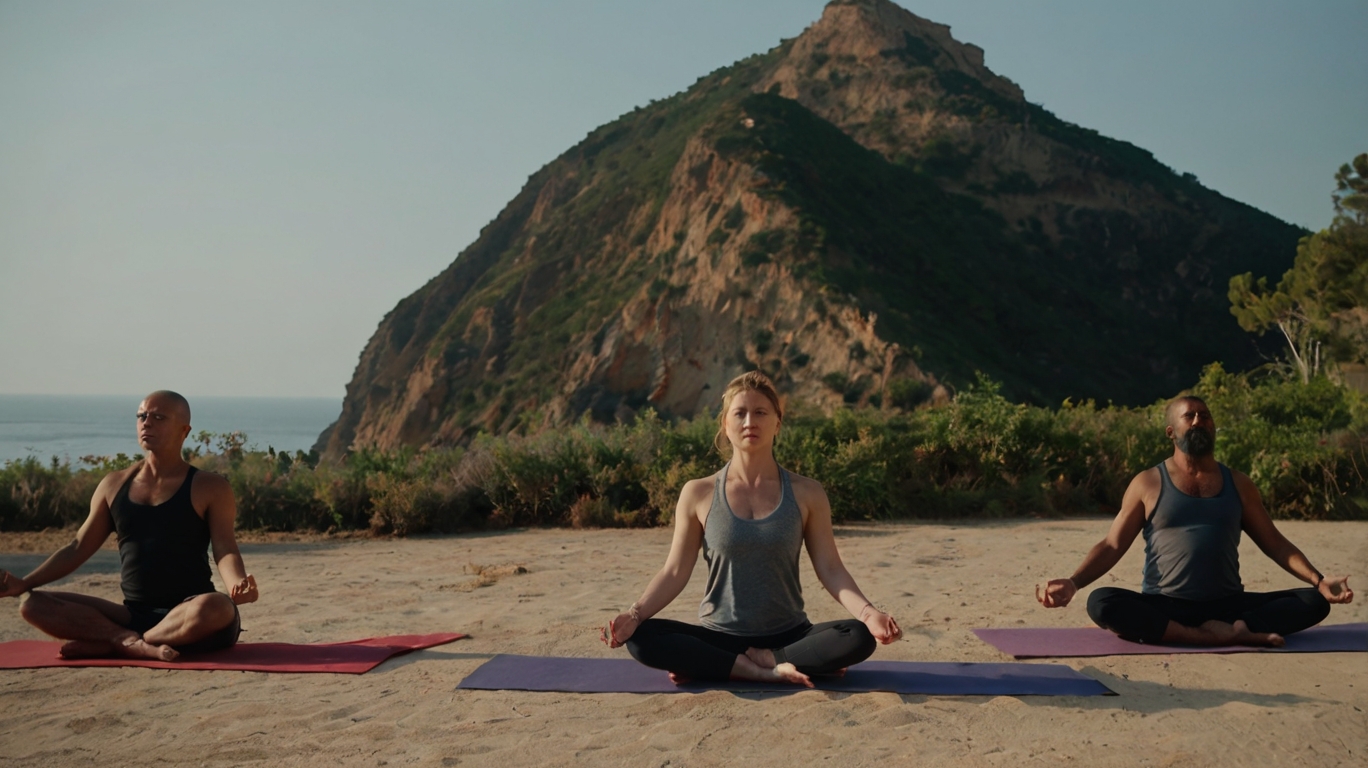
Before you begin your Hatha yoga journey, create a dedicated space free from distractions. Gather a comfortable yoga mat, wear loose-fitting clothing, and keep a bolster or cushions nearby for support. This space will serve as your sanctuary for self-discovery and growth.
Basic Asanas for Beginners
- Mountain Pose (Tadasana): Stand tall with your feet together, grounding yourself through the soles. Engage your core, relax your shoulders, and breathe deeply.
- Child’s Pose (Balasana): Kneel on the floor, touch your big toes together, and sit on your heels. Stretch your arms forward and rest your forehead on the mat for a gentle stretch.
- Downward-Facing Dog (Adho Mukha Svanasana): Begin on your hands and knees, then lift your hips upward to form an inverted V shape. Press your palms into the mat and lengthen your spine.
Breathing Techniques (Pranayama)
Deep Breathing: Inhale deeply through your nose, expanding your diaphragm, then exhale slowly. Feel the tension release with each breath.
Alternate Nostril Breathing: Close your right nostril with your right thumb and inhale through the left nostril. Close the left nostril with your ring finger and exhale through the right nostril. Inhale through the right nostril, close it, and exhale through the left. This technique promotes balance and calmness.
The Mind-Body Connection
Cultivating Mindfulness
As you progress in your Hatha yoga practice, you’ll notice an enhanced sense of mindfulness. The deliberate focus on breath and movement encourages you to stay present, letting go of worries and distractions.
Stress Relief and Relaxation
Modern lifestyles often lead to stress and mental fatigue. Hatha yoga provides a sanctuary for relaxation. The gentle stretches and deep breathing stimulate the parasympathetic nervous system, promoting a state of tranquility.
Your Journey Towards Wellness
Embracing Positivity
Hatha yoga fosters a positive outlook on life. The mind-body connection nurtured through regular practice leads to improved self-awareness and a more optimistic mindset.
Gradual Progression
Remember that Hatha yoga is a journey, not a destination. Progress at your own pace, and with consistent practice, you’ll witness improvements in your physical and mental well-being.
Conclusion
Incorporating Hatha yoga into your daily routine can be a transformative experience. As you delve into the world of gentle asanas and mindful breathing, you’ll pave the way for a healthier, more balanced life. Start your Hatha yoga journey today and unlock the boundless potential of physical and mental wellness.
FAQs (Frequently Asked Questions)
1. Is Hatha yoga suitable for beginners? Absolutely! Hatha yoga’s gentle approach makes it perfect for beginners who want to explore the world of yoga.
2. How often should I practice Hatha yoga? For optimal results, aim for at least 3-4 sessions per week. Consistency is key to reaping the benefits.
3. Can Hatha yoga help with stress reduction? Yes, Hatha yoga’s emphasis on relaxation and mindfulness can significantly reduce stress and promote a sense of calm.
4. What is the best time to practice Hatha yoga? You can practice Hatha yoga at any time that suits you. However, many find that practicing in the morning helps set a positive tone for the day.
5. Can I practice Hatha yoga if I have physical limitations? Absolutely. Hatha yoga’s adaptability allows practitioners of all fitness levels and physical conditions to participate and benefit.