
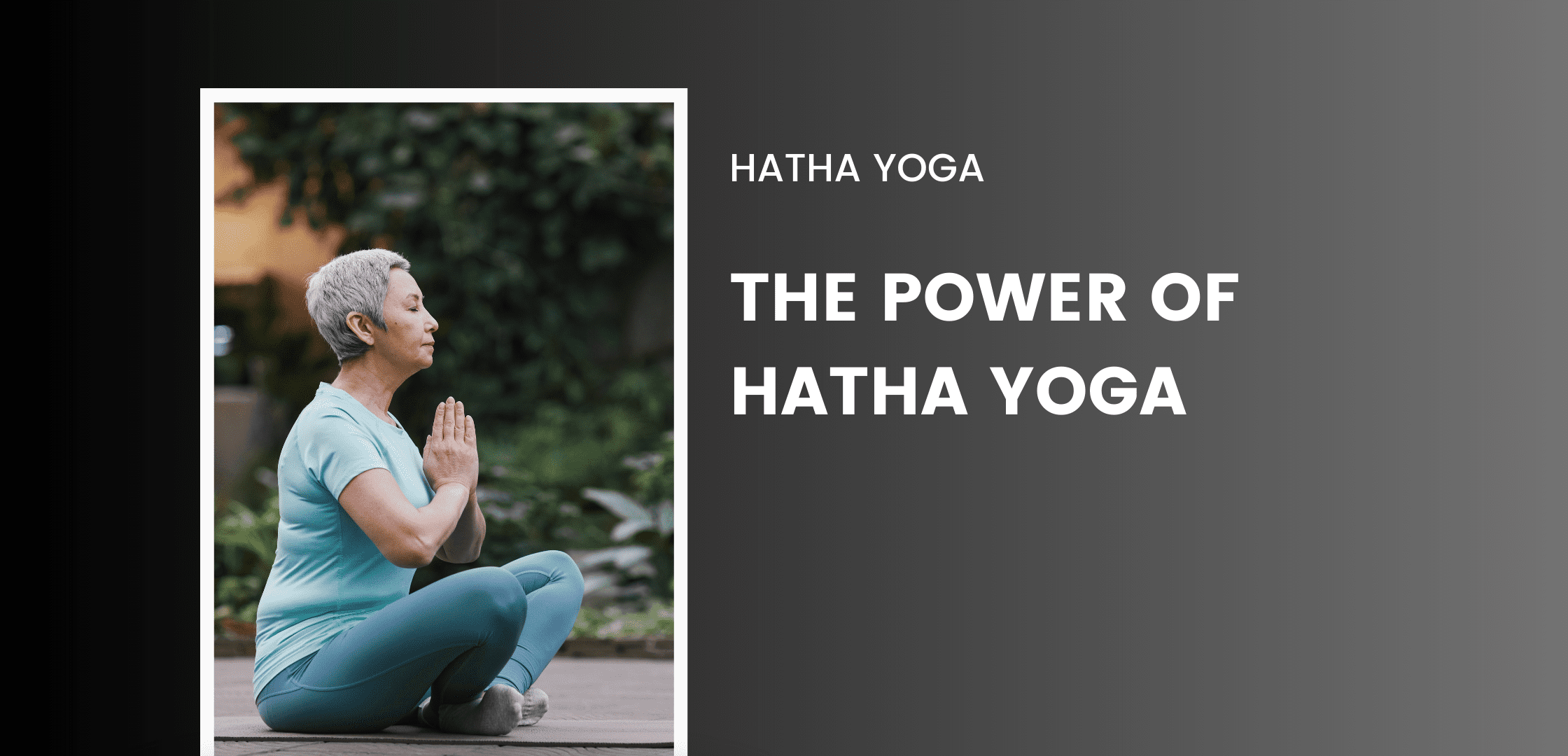
Hatha Yoga is more than just physical postures; it’s a path towards achieving holistic well-being and inner harmony. In this comprehensive guide, we will delve into the world of Hatha Yoga, exploring its origins, benefits, techniques, and answering common questions to help you embark on a transformative journey.
Introduction to Hatha Yoga
Hatha Yoga, a term derived from Sanskrit, combines “ha” (meaning sun) and “tha” (meaning moon) to symbolize the balance between opposing forces. This ancient practice dates back over a thousand years and focuses on creating harmony between the mind, body, and spirit. Hatha Yoga encompasses various asanas (postures), pranayama (breathing exercises), and meditation techniques to promote overall well-being.
The Essence of Hatha Yoga
At its core, Hatha Yoga is a practice that aims to align and balance the body’s energy channels, facilitating a seamless flow of vital life force. This practice helps in improving flexibility, enhancing strength, and calming the mind. Through a series of asanas and controlled breathing, practitioners can experience a profound sense of serenity and clarity.
Benefits of Hatha Yoga
Engaging in regular Hatha Yoga practice brings a multitude of benefits to both the physical and mental aspects of your life. Some of these benefits include:
- Physical Flexibility: The various asanas in Hatha Yoga enhance flexibility, making your body more agile and reducing the risk of injuries.
- Strength Enhancement: Holding poses and transitioning between them builds muscular strength and endurance.
- Stress Relief: Controlled breathing and meditation techniques promote relaxation, reducing stress and anxiety.
- Improved Posture: Hatha Yoga helps in aligning the spine and improving posture, which has a positive impact on overall body mechanics.
- Enhanced Focus: The practice of mindfulness during Hatha Yoga sharpens concentration and mental clarity.
- Inner Peace: Regular practice fosters a sense of inner calmness and balance, leading to improved emotional well-being.
Exploring Hatha Yoga Techniques
Asanas: The Foundation of Hatha Yoga
The practice of Hatha Yoga revolves around various asanas, each designed to target specific muscle groups and energy centers. Here are a few essential asanas to get you started:
- Mountain Pose (Tadasana): Stand tall, grounding your feet and elongating your spine, promoting body awareness and balance.
- Downward-Facing Dog (Adho Mukha Svanasana): This inverted pose stretches the entire body, promoting flexibility and rejuvenation.
- Child’s Pose (Balasana): Relax into this gentle stretch, releasing tension in the back, hips, and shoulders.
- Cobra Pose (Bhujangasana): Strengthen the spine and open the chest with this backbend, stimulating energy flow.
Pranayama: Harnessing Breath for Vitality
Pranayama, the art of controlled breathing, plays a pivotal role in Hatha Yoga. Incorporating pranayama techniques into your practice can enhance your experience:
- Ujjayi Breathing: Also known as “victorious breath,” Ujjayi breathing involves inhaling and exhaling through the nose, creating an audible ocean-like sound. It calms the mind and regulates energy flow.
- Nadi Shodhana: This alternate nostril breathing technique balances the body’s energy channels, promoting clarity and reducing stress.
Meditation and Mindfulness
Meditation is a cornerstone of Hatha Yoga, allowing practitioners to achieve mental clarity and inner peace. Regular meditation practice can lead to heightened self-awareness, emotional resilience, and a deeper connection with the present moment.
FAQs about Hatha Yoga
Is Hatha Yoga suitable for beginners?
Absolutely! Hatha Yoga is perfect for beginners as it focuses on foundational postures and gentle movements. It provides a solid introduction to yoga principles and helps build a strong practice.
Can Hatha Yoga help with stress management?
Yes, Hatha Yoga is highly effective in managing stress. The combination of physical movement, controlled breathing, and mindfulness techniques helps reduce stress hormones and promotes relaxation.
How often should I practice Hatha Yoga?
Ideally, practicing Hatha Yoga 2-3 times a week can yield noticeable benefits. Consistency is key to experiencing the transformative effects of the practice.
Can Hatha Yoga improve my posture?
Yes, Hatha Yoga emphasizes proper alignment and body awareness, which can lead to improved posture over time. Regular practice strengthens core muscles and supports better spinal alignment.
What should I wear for a Hatha Yoga class?
Wear comfortable, breathable clothing that allows for a wide range of motion. Avoid overly loose or restrictive attire.
Is Hatha Yoga a spiritual practice?
While Hatha Yoga has spiritual roots, modern practice often focuses on physical and mental well-being. However, incorporating mindfulness and meditation can lead to a deeper spiritual connection for those seeking it.
Conclusion: Embarking on Your Hatha Yoga Journey
Incorporating Hatha Yoga into your routine can be a transformative journey towards self-discovery, physical well-being, and inner harmony. Through its mindful practices, controlled breathing, and rejuvenating postures, Hatha Yoga offers a holistic approach to achieving a balanced and vibrant life. Whether you’re a beginner or an experienced yogi, the path of Hatha Yoga welcomes all who seek a healthier and more fulfilling existence.
Remember, the essence of Hatha Yoga lies not just in the postures, but in the connection you cultivate between your mind, body, and soul. So, roll out your mat, take a deep breath, and let the journey begin.